
How Dolores Huerta Transformed Labor Rights
Huerta's work serves as a powerful testament to the idea that one person’s courage can spark a movement.
While many names are associated with the Chicano Civil Rights Movement, one stands as a titan of tireless activism and unwavering dedication: Dolores Huerta.
Working alongside Cesar Chavez on a frequent basis, Huerta was a foundational force in the fight for farmworkers’ rights. Her strategic brilliance, powerful voice, and unyielding spirit helped shape a movement that transformed American labor history.
Would the Chicano Civil Rights Movement have been the same without her?
While Huerta life’s work serves as a powerful testament to the idea that one person’s courage can spark a movement, it was anything but easy in the world of organizing.
From Classroom to Grape Fields: The Making of an Activist
Dolores Huerta’s journey into activism was deeply rooted in her personal experiences. Born in 1930 in Dawson, New Mexico, she later moved to Stockton, California, a diverse agricultural community.
After earning a teaching credential, she began her career as an elementary school teacher. It was in the classroom that she witnessed the harsh realities faced by her students, many of whom were the children of farmworkers.
She saw children come to school hungry, without proper shoes, and living in poverty. Huerta realized that she could not make a meaningful difference in their lives by simply teaching them in the classroom. The real problems were systemic—poverty-level wages, deplorable working conditions, and a lack of basic human dignity for their parents.
This realization ignited a fire in her, prompting her to leave teaching and dedicate her life to organizing.
Huerta began her activism with the Community Service Organization (CSO), a Latino civil rights group. There, she honed her skills in voter registration drives, community organizing, and lobbying for policies to improve the lives of Mexican Americans. It was at the CSO that she met a like-minded organizer named Cesar Chavez, and together, they would soon embark on a historic mission.
Co-Founding the United Farm Workers (UFW)
In 1962, Huerta and Chavez left the CSO to establish a new organization focused exclusively on the needs of farmworkers. They founded the National Farm Workers Association (NFWA), which would later become the United Farm Workers (UFW). While Chavez was the charismatic public face of the union, Huerta was its strategic and legislative backbone.
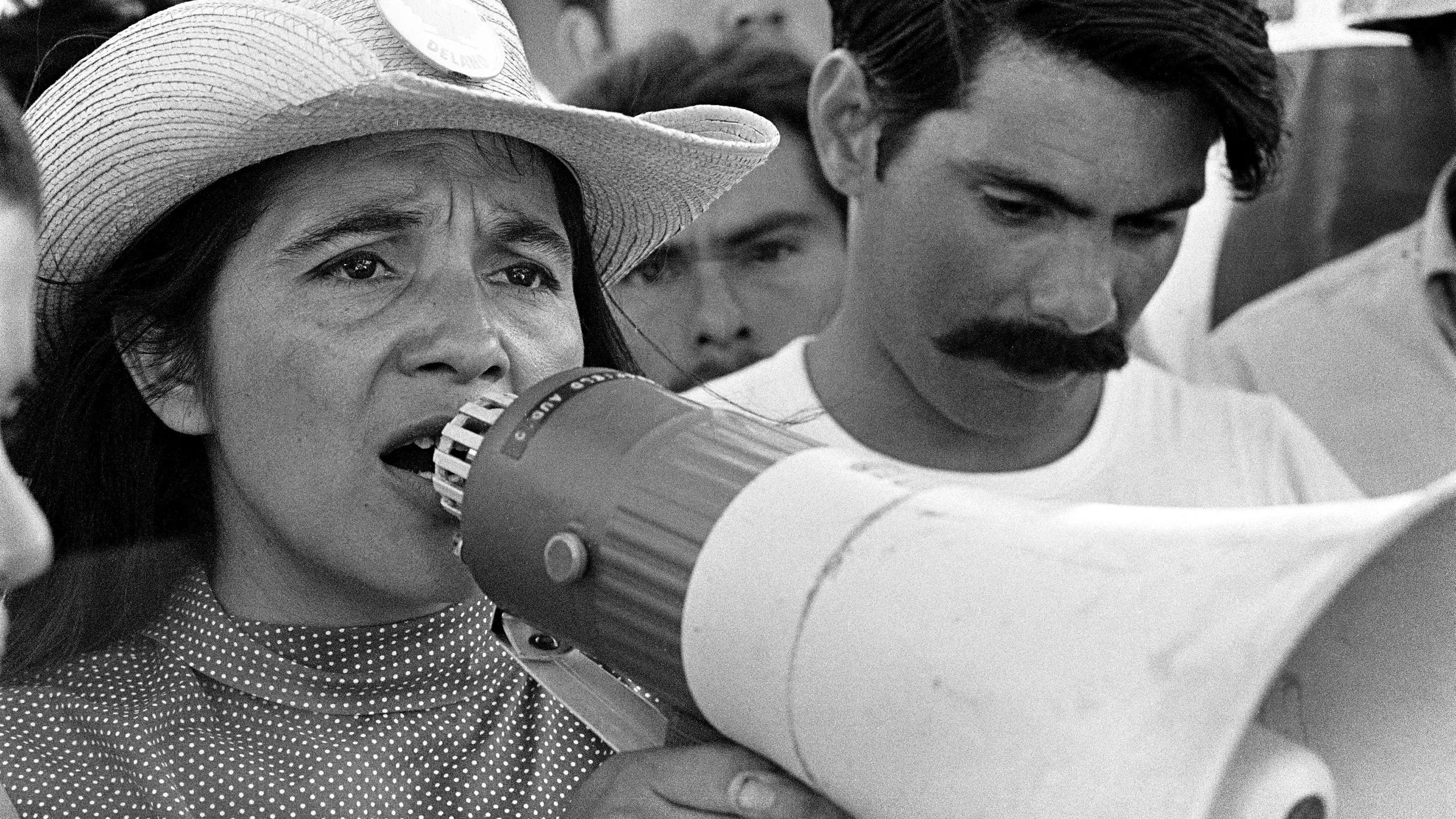
Huerta’s role was multifaceted and indispensable. She was the UFW’s lead contract negotiator, a fierce and brilliant bargainer who went head-to-head with powerful growers. She drafted contracts, organized picket lines, and traveled across the country to rally support. She was instrumental in organizing strikes and boycotts that brought national attention to the farmworkers’ struggle.
One of their most significant campaigns was the Delano grape strike, which began in 1965. Filipino American farmworkers initiated the strike, and the NFWA quickly joined in solidarity. The strike lasted for five years and grew into a nationwide boycott of non-union grapes.
Huerta was at the center of this effort, organizing boycotts, leading rallies, and securing the support of unions, students, and religious groups across the United States.
The Power of a Slogan: “Sí, Se Puede”
During a particularly challenging period of organizing in Arizona in 1972, some activists expressed feelings of hopelessness, suggesting that organizing the state’s farmworkers was an impossible task. Frustrated by the defeatist attitude, Huerta responded with a simple yet powerful phrase: “Sí, se puede.” This translates to “Yes, we can.”
The slogan was more than just a rallying cry, it was an affirmation of hope, power, and collective agency. It encapsulated the spirit of the UFW’s mission—the belief that even the most marginalized communities could achieve justice if they united and fought for it.
“Sí, se puede” became the official motto of the UFW and has since been adopted by countless social justice movements and political campaigns worldwide, most famously by Barack Obama’s 2008 presidential campaign.
This simple phrase empowered a generation of activists. It served as a reminder that their struggle, no matter how difficult, was not in vain. It transformed feelings of powerlessness into a powerful force for change, echoing in protests and community meetings for decades to come.
A Trailblazer for Equality
Dolores Huerta’s leadership challenged traditional gender roles within the Chicano community and the broader labor movement. In an era when leadership positions were almost exclusively held by men, she stood as a powerful female figure. She was not afraid to speak her mind, challenge authority, and lead from the front.
Her position often put her at odds with both the male-dominated growers’ industry and some men within her own movement who were unaccustomed to seeing a woman in a position of power. Huerta shattered stereotypes, demonstrating that women were not just supporters but essential leaders. She juggled her responsibilities as an organizer with raising 11 children, often bringing them with her to rallies and picket lines.
Huerta consciously worked to empower other women within the UFW, encouraging them to take on leadership roles. She understood that the fight for farmworkers’ rights was intertwined with the fight for women’s rights. Her example inspired countless women to become activists and leaders in their own communities, proving that a woman’s place was, indeed, in the struggle.
An Enduring Legacy of Activism
Dolores Huerta’s work did not stop with the grape boycott. Throughout her life, she has continued to advocate for civil rights, economic justice, and social equality. After leaving the UFW in 2002, she established the Dolores Huerta Foundation, an organization dedicated to community organizing and developing the next generation of leaders.
Her contributions have been widely recognized. In 2012, President Barack Obama awarded her the Presidential Medal of Freedom, the nation’s highest civilian honor. He acknowledged her as an equal partner in founding the first successful farmworkers’ union, correcting a historical narrative that had often overlooked her role.
Today, at over 90 years old, Dolores Huerta remains a powerful voice for change. Her life’s work serves as a powerful testament to the idea that one person’s courage can spark a movement. She taught us that justice is not given but won through persistent, organized effort. Her legacy lives on in every person who dares to stand up and declare, “Sí, se puede!”
Support Chicano Voices & Independent Media
Subscribers Get Exclusive News, Videos & Stories:
Our mission is to provide a platform for Mexican Americans, and cover news with the depth and context it deserves.
Here’s how you can help:
Make a Monthly Contribution of only $5.99: Your financial support will help us cover operational costs, pay our dedicated team, and expand our reach to more readers.
How To Support:
To subscribe, click on the “upgrade to paid” button. Thank you for your support and for believing in the power of independent media. Together, we can make sure that every voice is heard and every story is told.


