

It's Always A Great Day In East L.A.
Music can serve as a form of resistance, a source of pride, and a means of carving out a sense of belonging.

JOIN TODAY and get 10% off your Daily Chela Insider subscription for an entire year.

When I walked into A Great Day in East L.A. this past September, it didn’t feel like I was just stepping into an exhibit—it felt like I was stepping into a world I’ve spent years trying to understand, appreciate, and piece together through stories, research, and the soundtrack of my family.
My relationship with this music didn’t begin in East L.A. I grew up in Monrovia, on the other side of L.A. County, and my introduction to this world came through my dad.
Born in the ‘50s, he actually lived through the era that shaped so many of the bands featured in the exhibit. He grew up in South L.A., surrounded by the sounds that would one day become cultural staples—Thee Midniters, El Chicano, Tierra, Santana, the oldies that filled backyard parties and Saturday afternoon car rides.
Those were the songs that echoed through my childhood home, creating the foundation for everything I’d later fall in love with.
By middle school and high school, I was already wandering off on my own musical path. But it wasn’t until college that I started meeting people who shared my fascination with the 1960s East L.A. Chicano sound.
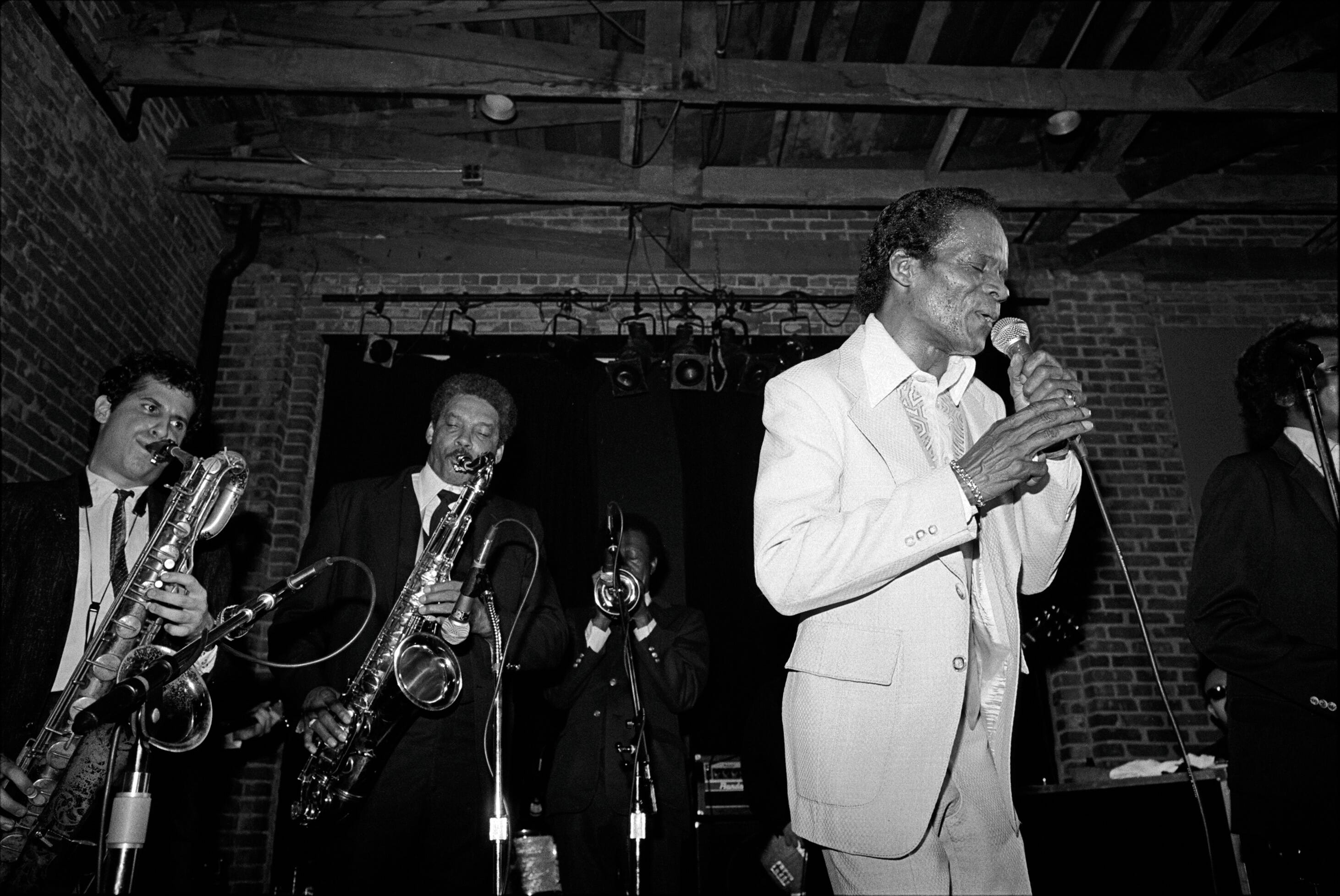
That was when my curiosity turned into something more profound: I began researching the bands, delving into old recordings, reading interviews, and even interviewing people who had lived through that time. I wasn’t just listening anymore—I was trying to understand the meaning behind the music, the lived experiences wrapped inside every chord and lyric.
So walking into A Great Day in East L.A. wasn’t just a trip to a museum. It was the closest thing to stepping inside the world I had been studying, admiring, and imagining for years.
Seeing the photos, artifacts, and legacies of these musicians—many of whom I had only known through grainy videos or secondhand stories—felt surreal. It was like watching the pages of my research and the sounds of my upbringing become real, tangible, and alive.
Honestly, it felt like a playground for Chicano music lovers. I was a kid in a candy store—not because everything was shiny and new, but because everything was familiar and sacred. Every image represented a piece of history that had shaped not just a genre, but generations. And that’s where the sociology part of me kicked in.

As much as I was experiencing this exhibit as a fan, I was also seeing it through the lens of someone who studies culture, identity, and the way communities tell their stories. This exhibit wasn’t just about music. It was about how Chicanos in East L.A. carved out space for themselves in a city that often pushed them to the margins. It was about resilience, belonging, and the power of cultural expression as a form of social identity.
It showed how music becomes more than entertainment—how it becomes a vehicle for memory, resistance, unity, and pride.
A Great Day in East L.A. reminded me that this music survives because people carry it—through families, neighborhoods, dance halls, backyard parties, and now, through exhibits like this. It connects generations, including people like me who weren’t born in East L.A. but still feel deeply tied to the stories it holds.
The exhibit demonstrated how music can serve as a form of resistance, a source of pride, and a means of carving out a sense of belonging. It reminded me why these stories matter not only artistically but socially—they show how culture preserves memory and strengthens identity.
Leaving the exhibit, I felt grateful—grateful for my dad, who unknowingly planted the seeds of this love years ago; thankful for the musicians who created these sounds; and grateful that this history is finally being recognized in such a powerful way.
For someone who wasn’t born in East L.A. but has spent years connecting with its music, seeing it honored like this felt like being welcomed into a story I’ve always admired.
It was a great day for anyone who has ever felt the power of this music in their bones.
A Great Day In East LA exhibit is still open and ongoing until August 23, 2026, so go on down to La Plaza and just be in awe of this great exhibit that the team of La Plaza, Mark Guerrero, Piero Giunti, and Jorge Leal put together as a love letter to East LA.
Sammy blends sociology with hands-on experience in music research, documentary filmmaking, and journalism. With a talent for in-depth research and a knack for finding compelling narratives, he aims to shed light on stories that resonate and reveal the pulse of societal change. He also brings a unique sociological perspective to all things pop culture.
Chela Insider Subscription For A Year!

Subscribers Get Exclusive News, Videos & Stories:
Our mission is to provide a platform for Mexican Americans, and cover news with the depth and context it deserves.
Here’s how you can help:
Make a Small Monthly Contribution: Your financial support will help us cover operational costs, pay our dedicated team, and expand our reach to more readers.
How To Support:
To subscribe, click on the button below. Thank you for your support and for believing in the power of independent media. Together, we can make sure that every voice is heard and every story is told.