



Oldies aren’t just “old songs” that happen to get played at backyard parties. In Chicano communities, there’s something more profound—something inherited, felt, and replayed across generations.
From doo-wop harmonies to slow-burning soul ballads, the oldies canon has become part of the cultural atmosphere of barrios across the Southwest. You hear it in the background of family gatherings, in the echo of a slow cruise down the boulevard, in the way a song dedication still feels personal decades later.
The question isn’t just why Chicanos listen to oldies. It’s why the music never left.
To understand the love for oldies, you have to go back to the moment they first took root. In the 1950s and ’60s, Mexican-American youth were coming of age in segregated neighborhoods where cultural life often existed parallel to the mainstream. Black and Brown communities shared urban space, schools, dance halls, and radio stations. R&B, soul, and doo-wop—music pioneered essentially by Black artists—flowed through AM radio and local DJs into Chicano households.
Personalities like Art Laboe, Huggie Boy, and Casey Kasem became cultural conduits, blasting slow jams and love songs that found immediate resonance among young Mexican-Americans trying to carve out an identity in a country that often treated them as outsiders.
The music stuck because it fit. Oldies are heavy on longing, devotion, heartbreak, and dramatic romance. For communities shaped by migration, economic struggle, and tight-knit family structures, those themes weren’t abstract. They were lived realities. When Smokey Robinson sang about tears of a clown or The Temptations harmonized about lost love, it didn’t feel distant. It felt familiar. The emotional directness of the music—no irony, no detachment—matched the intensity of everyday life.
Cruising Traditions
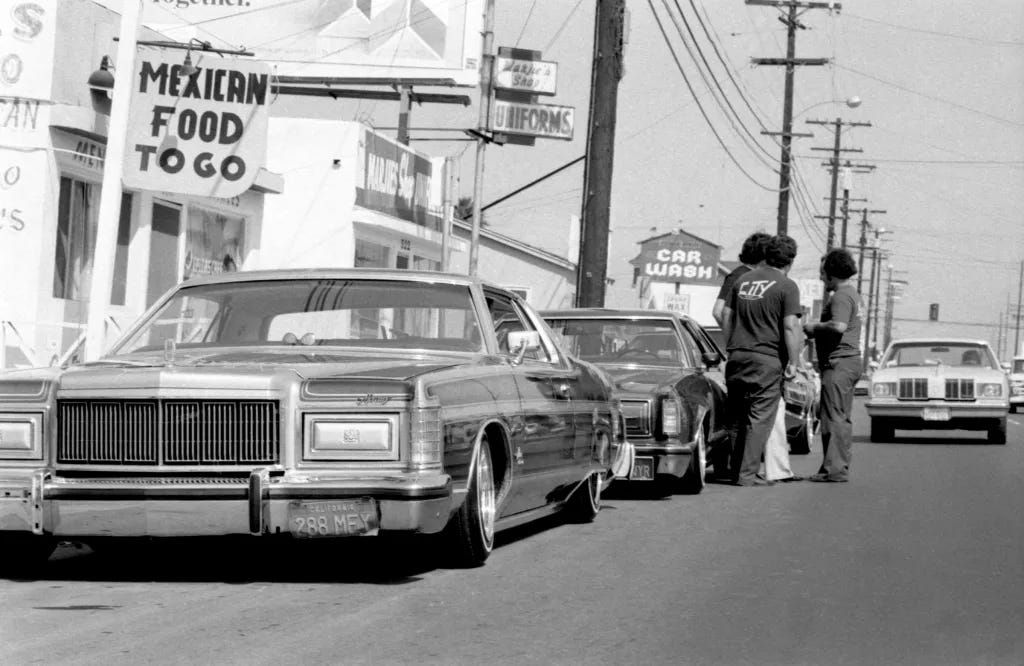
But the story isn’t just about lyrics. It’s about space. Oldies became inseparable from lowrider culture and cruising traditions. The slow tempo of a soul ballad pairs perfectly with a car rolling at five miles per hour down Whittier Boulevard or through a neighborhood park.
The music sets the mood: deliberate, proud, unhurried. Cruising wasn’t only about cars; it was about visibility and community. It was about claiming public space in a society that often denied it. Oldies became the soundtrack to that visibility. When a car rolls by with “Sincerely” or “For the Love of You” pouring out of its speakers, it’s not just background noise. It is an atmosphere. Its identity in motion.
That connection between sound and ritual is one reason the music endured. Oldies weren’t consumed quietly through earbuds. They were played loud, shared, and dedicated. And when certain songs come on, something else happens: memory takes over. Sit next to someone from the Baby Boomer generation and play a song they haven’t heard in years, and watch what happens.
They’ll tell you exactly where they were when they first heard it. Their first kiss. Their first dance. The backyard house party where someone’s older cousin put the record on. The same can be said for Gen X, for millennials, and eventually for us, Gen Z. Oldies become timestamps. They freeze moments in place. That’s part of the magic. The songs don’t just carry melody; they have memory. They’re emotional time machines.
The music also survives because it’s passed down—sometimes intentionally, sometimes without anyone realizing it. Parents clean the house on a Sunday with oldies playing in the background. Grandparents have it on the radio while cooking. Kids absorb it without a formal lesson.
No one sits you down and says, “This is Chicano culture.” You just grow up hearing it.
It becomes familiar before you understand why. And now something interesting is happening. For twenty-somethings today, oldies haven’t disappeared—they’ve evolved. Groups like Thee Sacred Souls, Thee Sinseers, The Sha La Das, Los Yesterdays, The Altons, and the late Vicky Tafoya are carrying that sound forward. It’s not imitation; it’s continuation. The production might be modern, but the feeling is the same—lush harmonies, aching vocals, songs built for slow dancing and slow cruising.
A New Generation
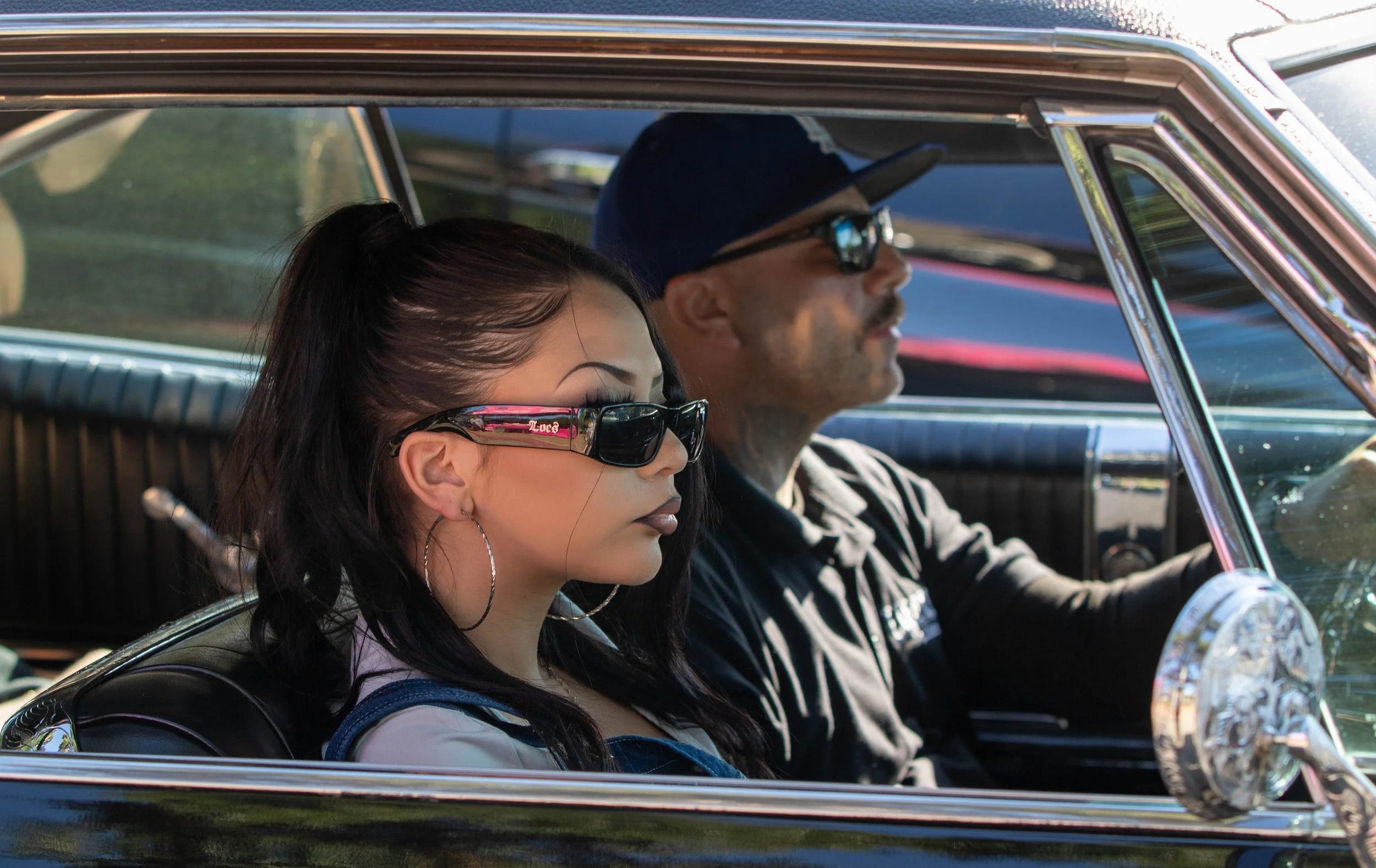
For younger listeners, supporting this new wave of Chicano soul is a way of honoring what came before. It’s appreciation in motion. Just as our parents and grandparents put us on to the classics, we’re putting the next generation on to artists who carry that lineage forward.
One day, when we’re the age our elders are now, the songs we play from these newer groups will trigger the same kind of memories—first loves, late-night drives, backyard parties. The cycle continues.
Oldies aren’t played because Chicanos refuse to move forward. They’re played because they still feel right. They create atmosphere. They bring people together. They slow things down in a world that moves too fast.
To make it simple: this Valentine’s Day, 2/14/26, I was outside grilling chicken and hot dogs, and without hesitation, I threw on my oldies playlist. It was just the default when you’re grilling, when the family’s over. When you’re setting a vibe. Oldies are the go-to.
That instinct isn’t random—it’s cultural muscle memory. Ultimately, Chicanos love oldies because the music has become part of everyday life. It has marked moments. It carries emotion. It traveled from radios to car speakers to backyard barbecues and into new generations of artists, keeping the sound alive. It’s memory, atmosphere, and continuity all at once.
The music never left because it never stopped meaning something. And as long as there are gatherings, slow drives, first kisses, and stories being told, oldies will keep playing—from our grandparents to our parents to us, and eventually, from us to whoever comes next.
One more thing even as I’m writing this I’m listening to oldies, the East Side Sound and sadly because most if not all are unavailable on spotify, you have to go to youtube or if you’re like me and love to dig and research I found this website that I’ve known about for a year now.
It’s called elme.org, or East Los Angeles Music Experience Golden Era, and they have a lot of great music on their “jukebox” songs that you would only be able to find on YouTube or, if you’re lucky enough, in your vinyl collection or while sifting through the record shop.
It is really a great website to check out.
Sammy blends sociology with hands-on experience in music research, documentary filmmaking, and journalism. With a talent for in-depth research and a knack for finding compelling narratives, he aims to shed light on stories that resonate and reveal the pulse of societal change. He also brings a unique sociological perspective to all things pop culture.
JOIN TODAY & Get 10% Off A Daily Chela Insider Subscription For A Year!

Subscribers Get Exclusive News, Videos & Stories:
Our mission is to provide a platform for Mexican Americans, and cover news with the depth and context it deserves.
Here’s how you can help:
Make a Small Monthly Contribution: Your financial support will help us cover operational costs, pay our dedicated team, and expand our reach to more readers.
How To Support:
To subscribe, click on the button below. Thank you for your support and for believing in the power of independent media. Together, we can make sure that every voice is heard and every story is told.
My heart 💖. Thank you so much for this tribute to both the music, and the culture it continues to define. I am a Boomer who cruised to these songs before most were considered oldies. ‘Cultural muscle memory’, indeed! I grew up in San Pedro Class of 1970 where the brown /black mix you refer to was real. It was a world unto itself. And I’ll always love lowrider cars as exquisite art on wheels. Thanks to car club dances and fundraisers, I got to experience live bands like El Chicano and Malo. And not that it matters, but I am white.
This article is TRUTH. Brought a tear to my eye......